
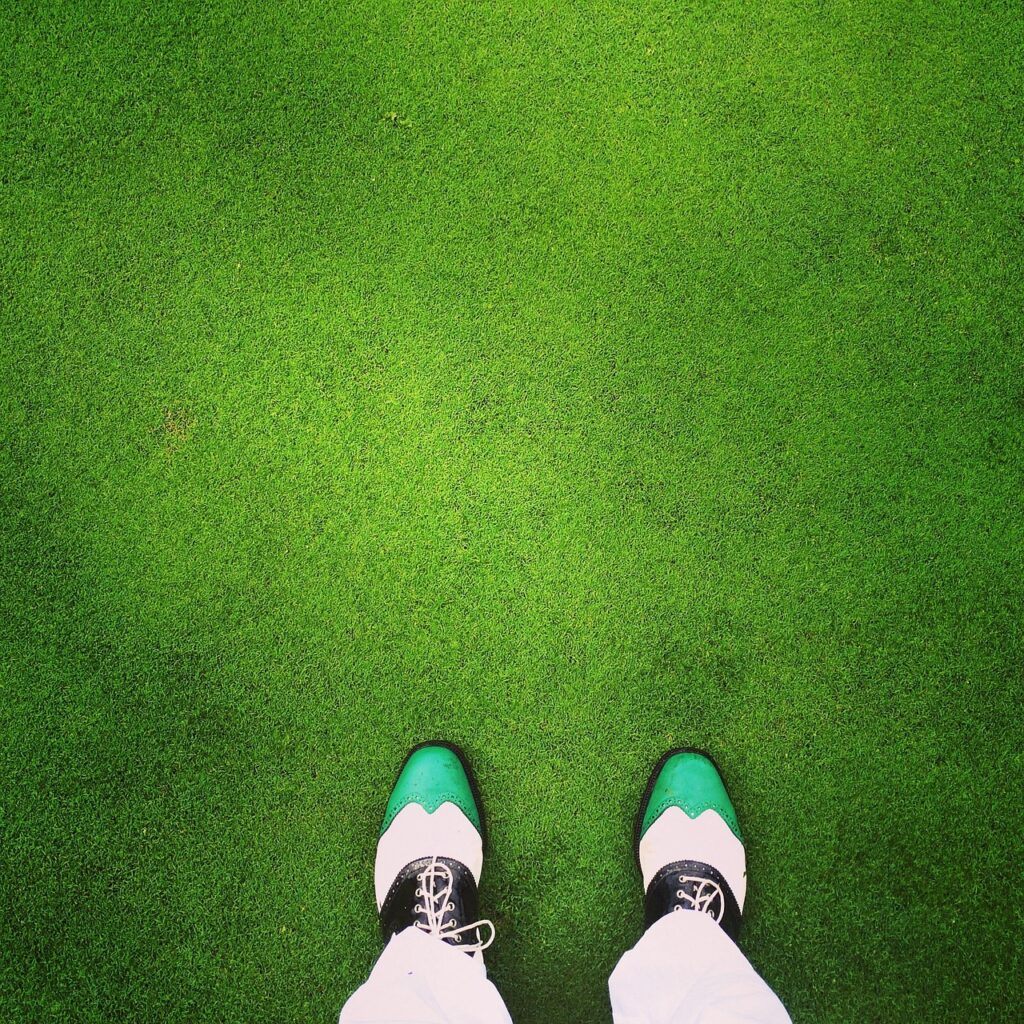
If you walk most of your rounds, golf shoes are not just another piece of gear — they’re part of how well you play, how long you last, and how you feel the next day.
A shoe that looks great in the pro shop can feel very different after 10,000 steps, uneven lies, sidehill stances, and four-plus hours on your feet. Many golfers don’t realize this until their feet start barking around the 12th hole — or their knees and lower back let them know something isn’t right.
The good news is that choosing the right golf shoes for walking isn’t complicated. You just need to look past hype and focus on the things that actually matter when you’re on your feet for an entire round.
This practical checklist will help you do exactly that.
1. Start With Walking, Not Swing Speed
Most golf shoe marketing focuses on stability, power transfer, and traction during the swing. Those things matter — but walking comfort comes first if you’re on your feet all round.
Ask yourself:
- Do I walk 9 or 18 holes regularly?
- Do my feet feel tired or sore late in the round?
- Do I feel discomfort the next day?
If the answer is yes, then cushioning, flexibility, and weight should rank higher than aggressive traction or tour-level stiffness.
A shoe that feels “stable” but beats up your feet over four hours is not the right walking shoe.
2. Pay Attention to Weight (Lighter Usually Wins)
Every ounce matters when you walk.
Heavy shoes increase fatigue gradually — you don’t notice it on the first few holes, but it adds up by the back nine. Lighter shoes reduce leg fatigue and help you maintain a more natural walking stride.
That doesn’t mean ultra-thin or flimsy. It means:
- Avoid overly bulky soles
- Look for modern foam midsoles
- Be cautious with old-school, very stiff designs
As a general rule, walking golfers benefit from lighter shoes with moderate structure, not tank-like construction.
3. Cushioning Is Not the Same as Softness
A common mistake is assuming the softest-feeling shoe in the store is the most comfortable for walking. That initial softness can break down over a long round.
What you actually want is:
- Consistent cushioning that holds up for 18 holes
- Shock absorption under the heel and forefoot
- Enough firmness to avoid foot fatigue late in the round
Shoes designed with walking in mind often feel “just right” rather than pillow-soft.
4. Flexibility Matters More Than You Think
Golf involves far more walking than swinging. A shoe that is too stiff in the forefoot can fight your natural gait.
When trying on shoes:
- Bend the shoe slightly at the toe
- Walk around, not just stand and swing
- Pay attention to how the shoe rolls from heel to toe
If the shoe feels awkward during walking in the store, it will feel worse on the course.
5. Fit Comes Before Brand Loyalty
Many golfers stick with brands they’ve always worn — even when their feet have changed.
As we get older, it’s common for:
- Feet to widen slightly
- Arches to change
- Sensitivity to pressure points to increase
If you walk, fit is non-negotiable.
Checklist for fit:
- No pinching in the forefoot
- Heel feels secure without slipping
- Enough toe room at the end of the day (feet swell when walking)
If you wear orthotics or insoles, bring them with you when trying shoes.
6. Wide Options Are Not a Compromise
Some golfers avoid wide shoes because they think they’ll feel sloppy or unstable. In reality, a properly fitted wide shoe often improves balance and comfort for walkers.
If you feel pressure across the ball of your foot or pinky toe, don’t try to “break the shoe in.” That almost never works for walking golfers.
Wide and extra-wide options are especially important if:
- You walk most rounds
- You experience forefoot pain
- You feel numbness late in the round
7. Spikeless vs Spiked: Choose Based on Terrain
This isn’t a fashion decision — it’s a walking decision.
Spikeless shoes
- Lighter
- More flexible
- Often more comfortable for long walks
- Great for dry conditions and flatter courses
Spiked shoes
- More traction on hills and wet grass
- Slightly heavier
- Can be stiffer underfoot
If you walk hilly courses or play early morning rounds with heavy dew, spiked shoes may still make sense. Otherwise, many walking golfers prefer modern spikeless designs.
8. Breathability Helps Late-Round Comfort
Hot, sweaty feet fatigue faster.
Look for:
- Breathable uppers
- Mesh or knit designs with structure
- Materials that dry quickly
This matters even more if you walk in warm or humid conditions.
9. Don’t Ignore the Back Nine Test
When evaluating golf shoes, don’t ask:
“How do these feel right now?”
Ask:
“How will these feel on the 15th hole?”
The best walking golf shoes:
- Disappear on your feet
- Don’t distract you late in the round
- Leave you tired from golf — not from your shoes
10. Accept That One Shoe Doesn’t Fit Every Golfer
There is no single “best” golf shoe for walkers.
Your ideal shoe depends on:
- How much you walk
- Your foot shape
- Past injuries
- Course conditions
- Personal comfort preferences
The goal isn’t perfection. It’s finding a shoe that supports how you actually play.
Final Thoughts
If you walk most of your rounds, choosing golf shoes is about far more than style or brand reputation. It’s about protecting your feet, conserving energy, and enjoying the game longer.
The right shoes won’t magically fix your swing — but the wrong ones can absolutely ruin a round.
Use this checklist as a filter. Ignore the hype. Focus on walking comfort, fit, and durability over 18 holes. When your shoes support you instead of fighting you, everything about walking golf gets easier — and more enjoyable.
And at this stage of life, that matters.